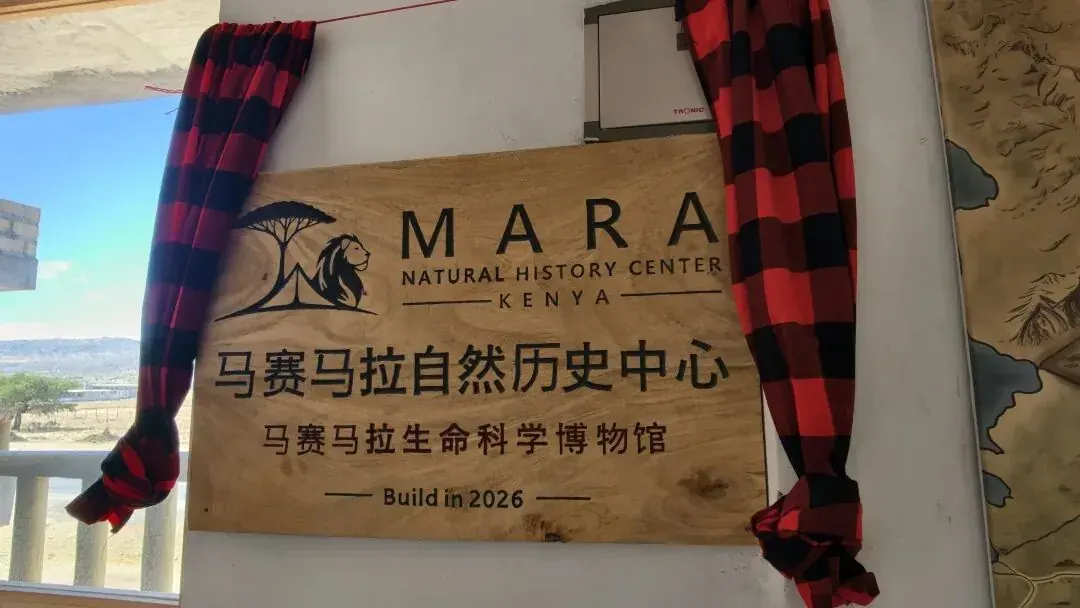
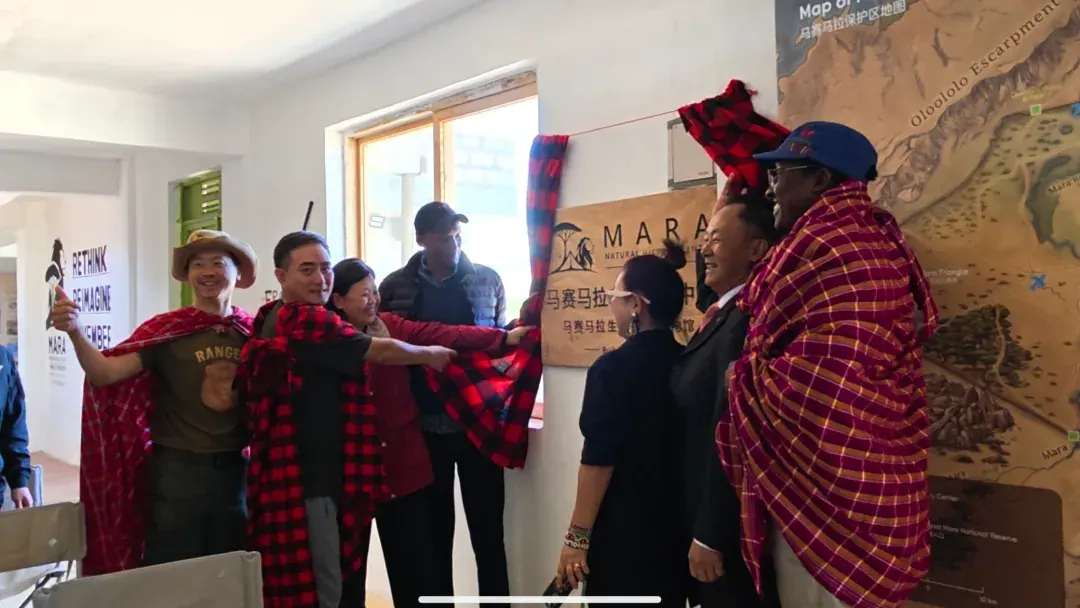
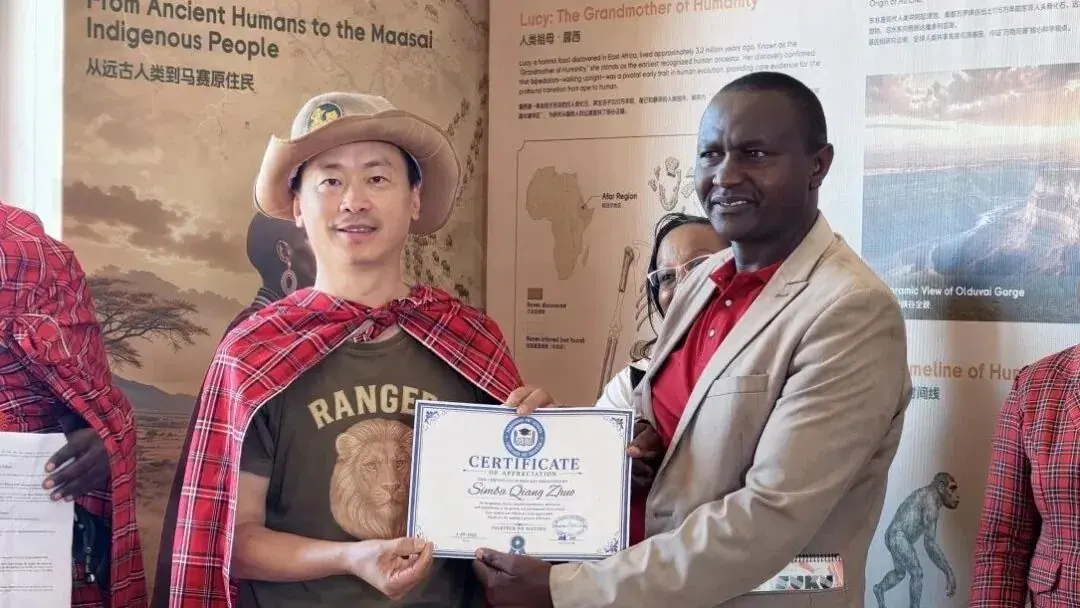
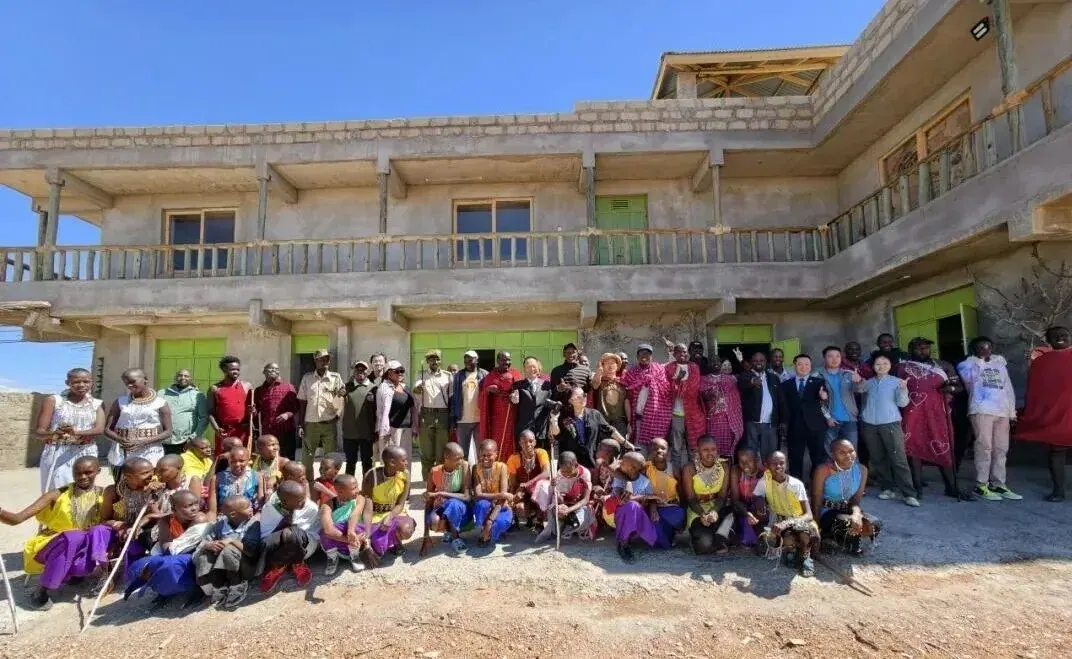
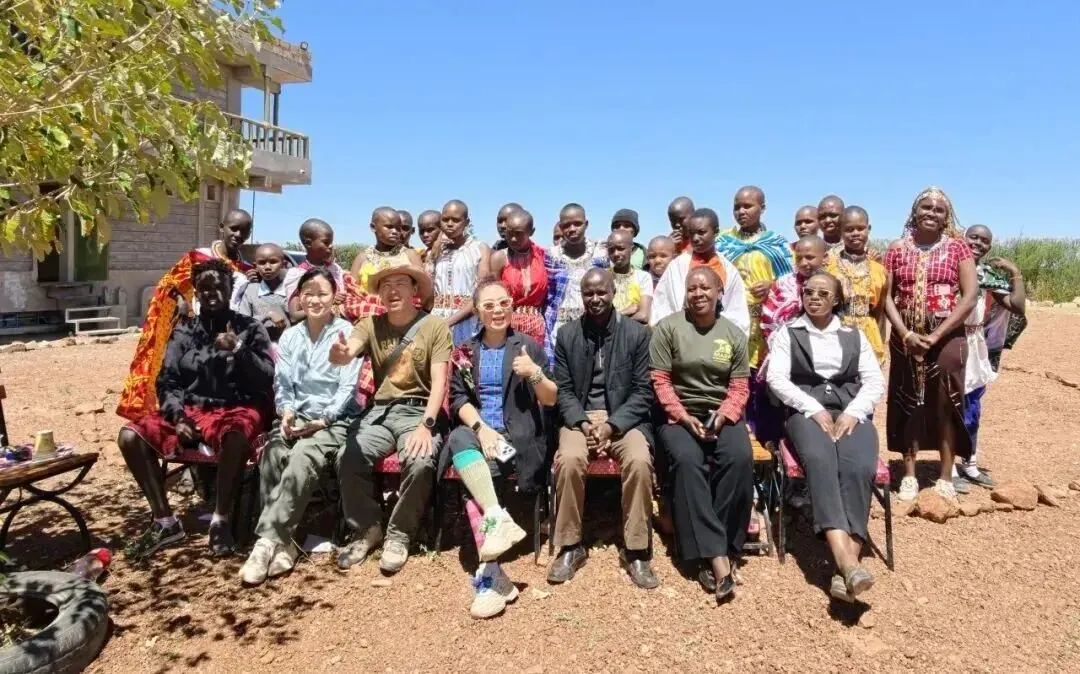
After three years of preparation and construction, the Mara Natural History Center formally opened on 1 September 2026 in Kenya's Maasai Mara. Community representatives, government officials, conservationists and guests from many walks of life gathered on this vast land to witness a platform that connects nature, community and education opening its doors to the public.
The opening was held under the theme "Habitat First, Life Forever". It set aside elaborate ceremony in favour of simplicity, nature and sustainability — not only an inauguration, but a declaration that honours nature through concrete action, embedding conservation in every part of the project's construction and its public education.
1 · Three years, from vision to reality
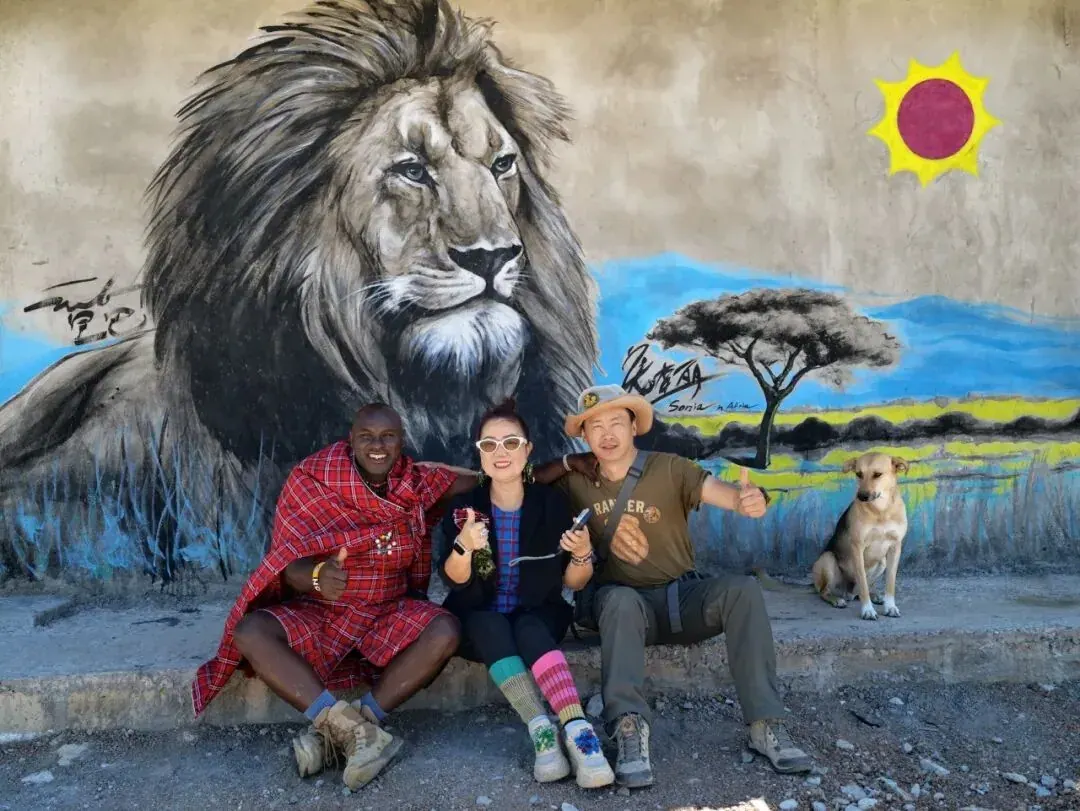
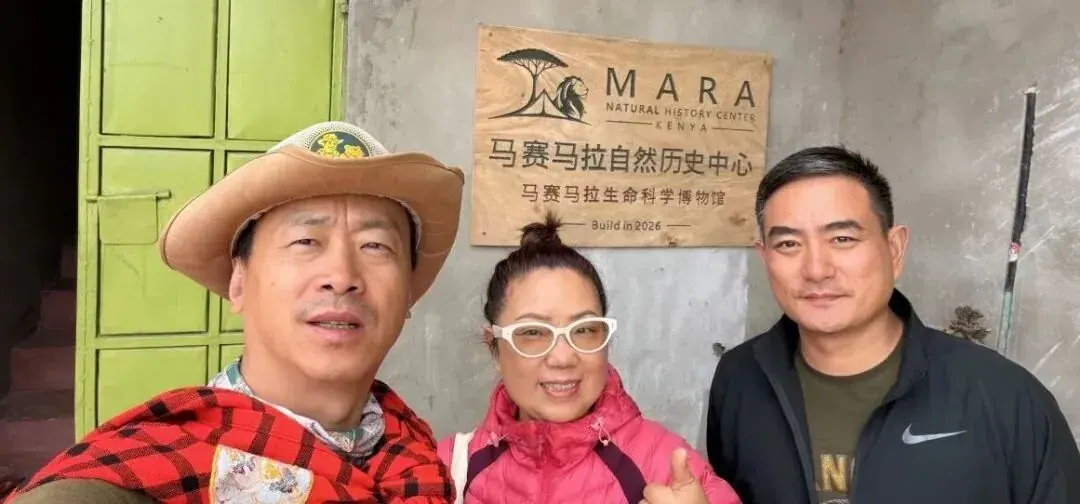
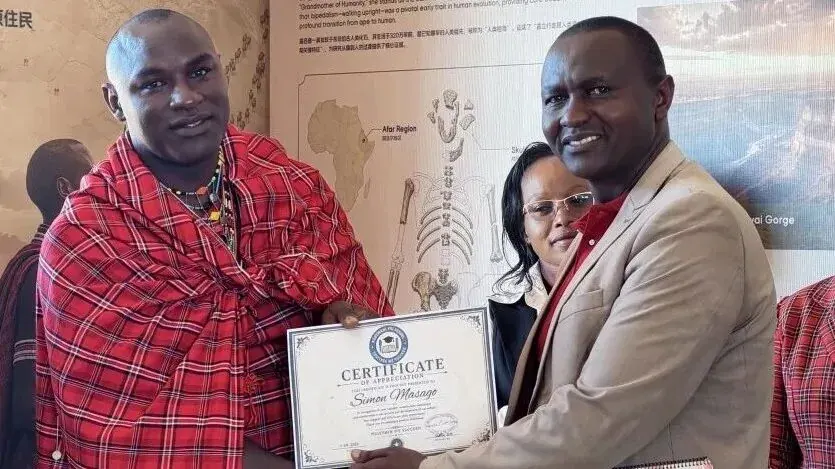
The Mara Natural History Center was initiated by Simba and Habitat Watcher Foundation, built under the leadership of Chief Simon Masago, and completed with the generous support of many friends and partners over three years. More than a building rising from the ground, it is a vision taking root. From the first idea to today's opening, the center has been conceived as a space that brings together nature, conservation, education and community — a place where people can read the Maasai Mara through natural history, and come to understand how urgent and how important habitat protection is.
2 · Built with the community, so that conservation becomes a shared responsibility
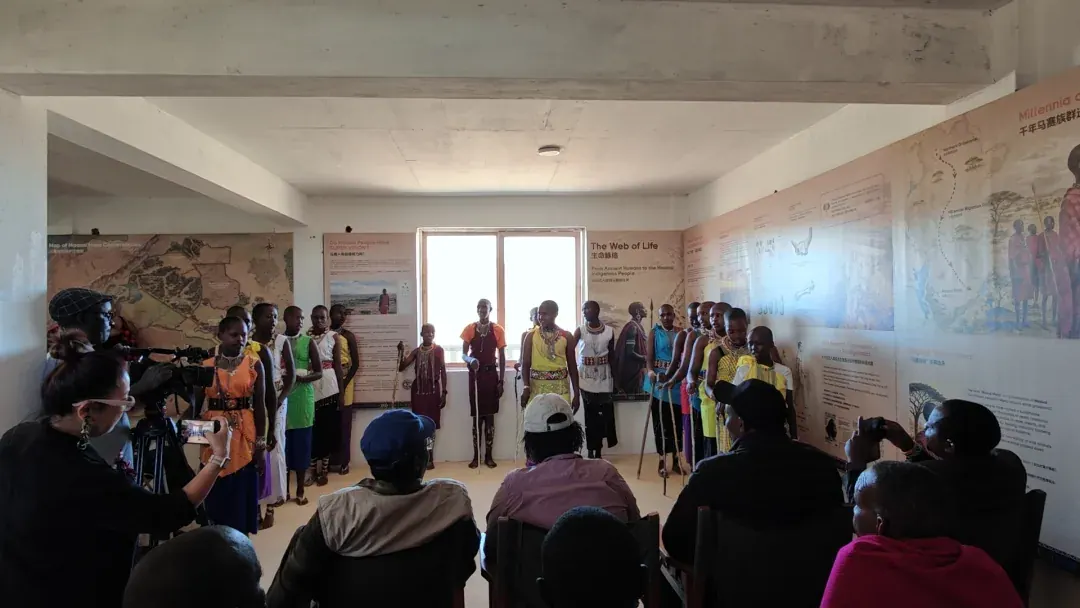
The opening was steeped in Maasai culture. Local children in traditional dress welcomed guests who had travelled from afar with song and dance.
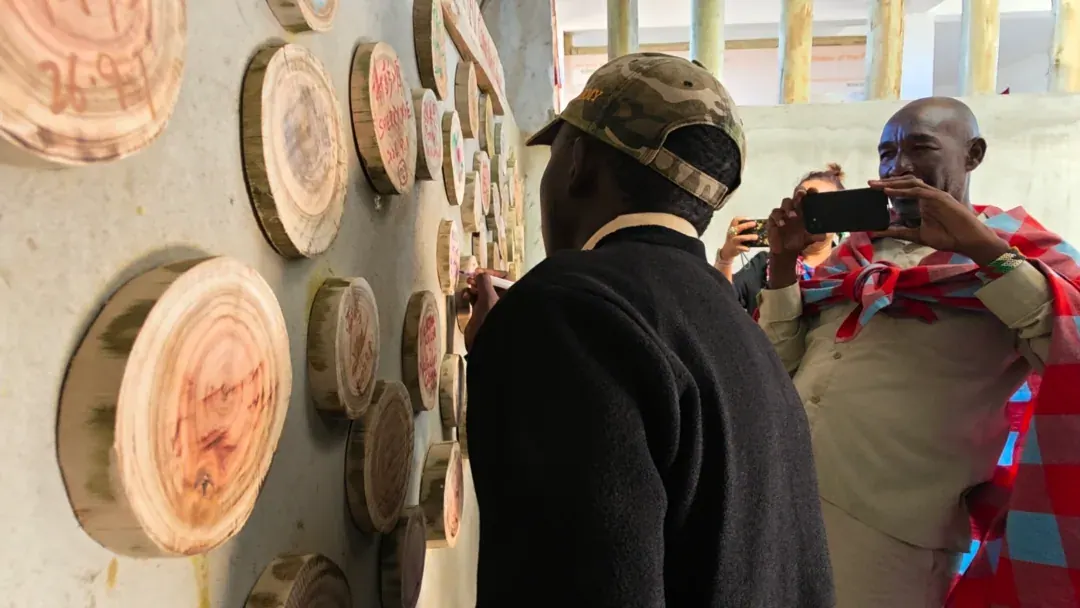
At the Habitat Commitment Wall, guests signed their names on wooden boards — a simple ritual through which each made a pledge to protect wildlife habitats. The wall gives shape to the center's core belief: conservation has never been the lonely fight of a few; it is a responsibility carried together by communities, the public and the next generation.
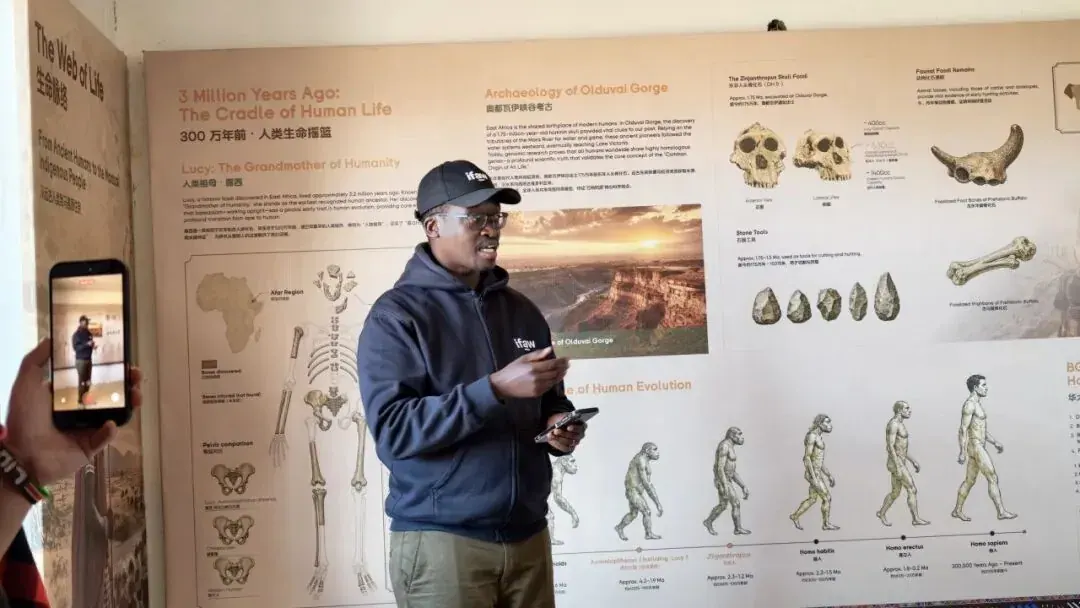
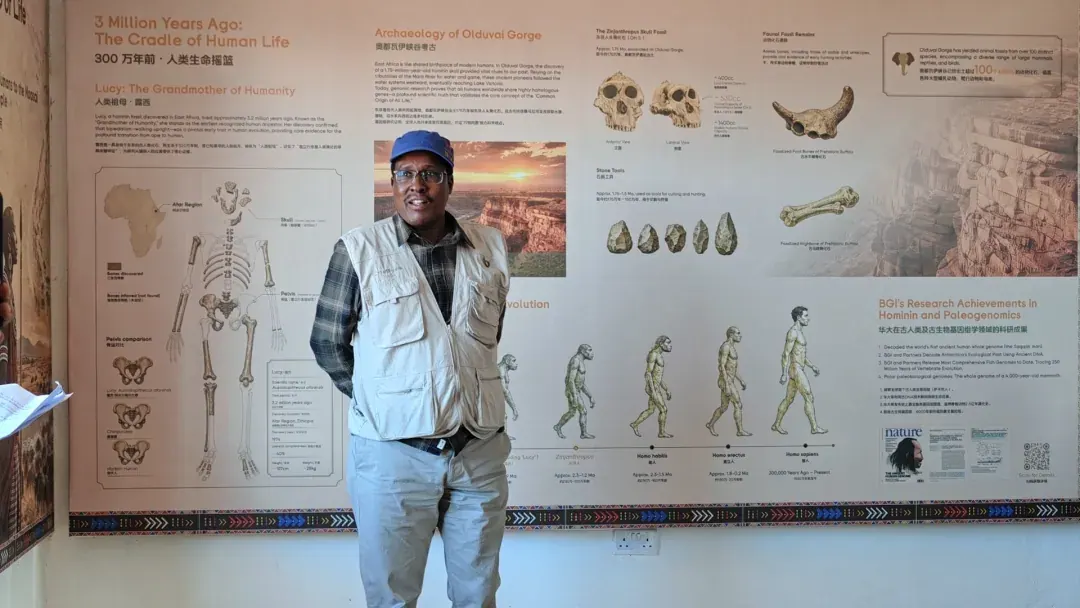
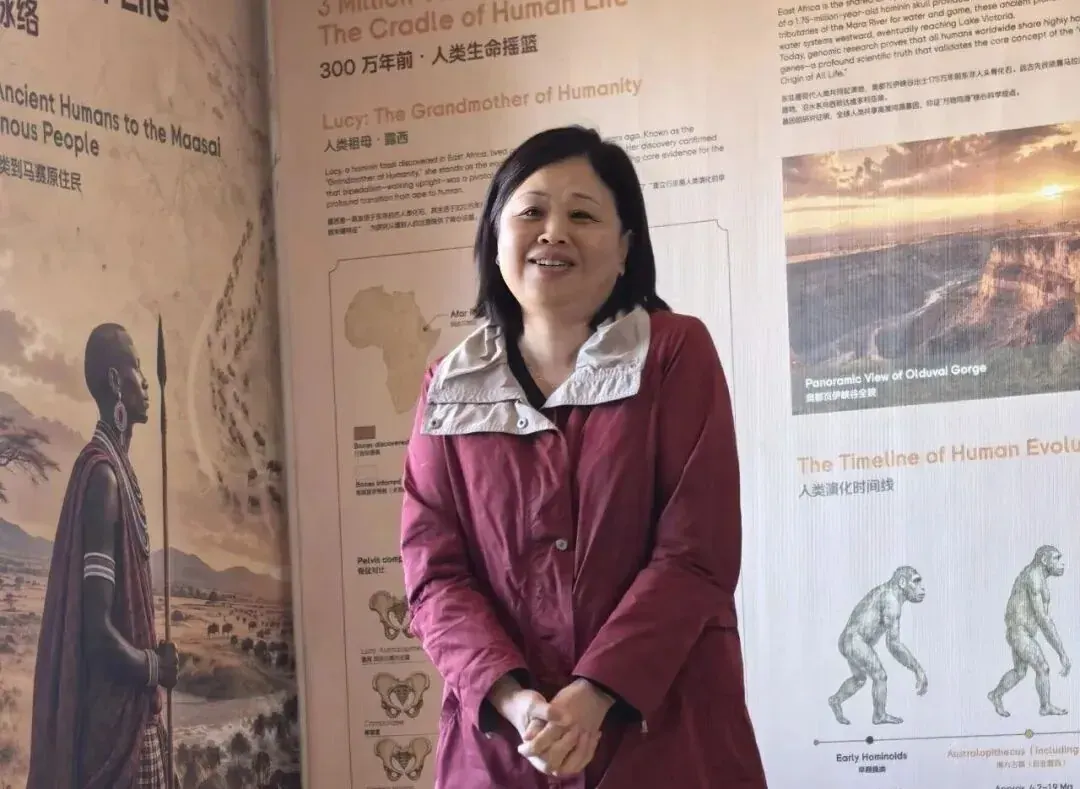
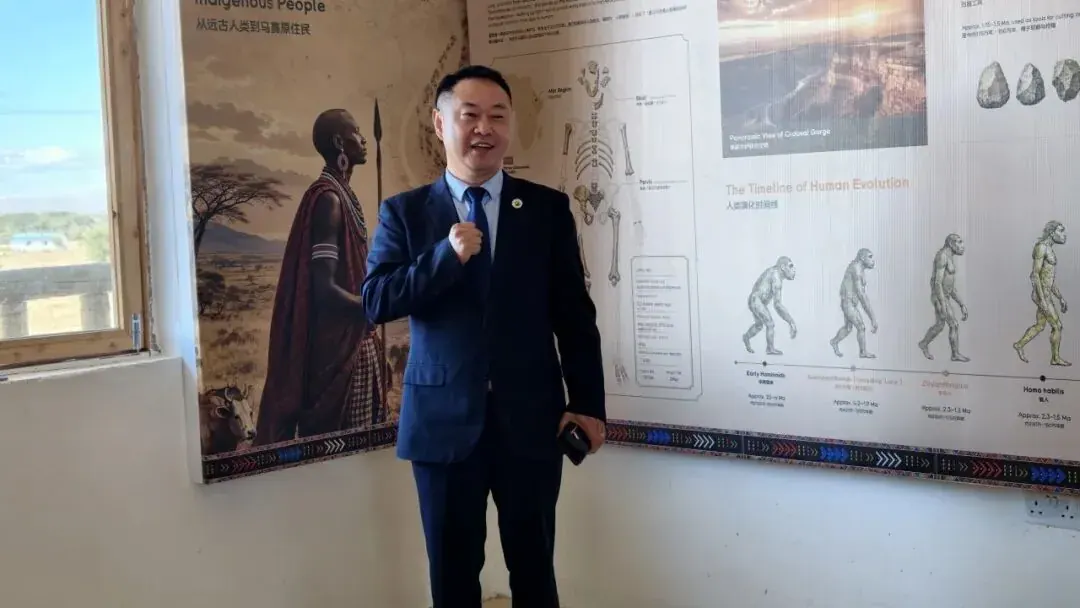
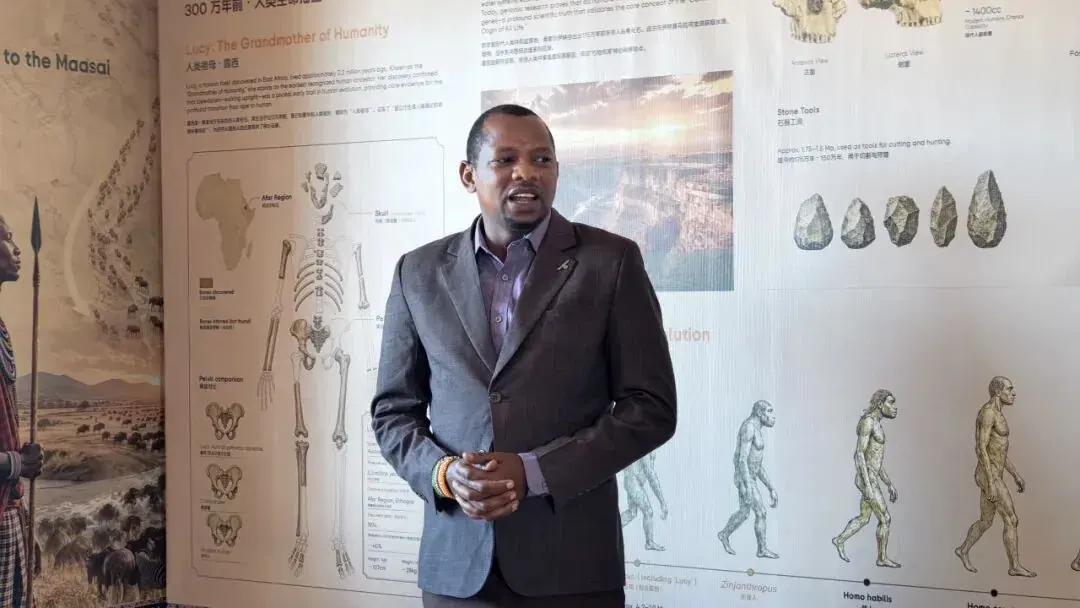
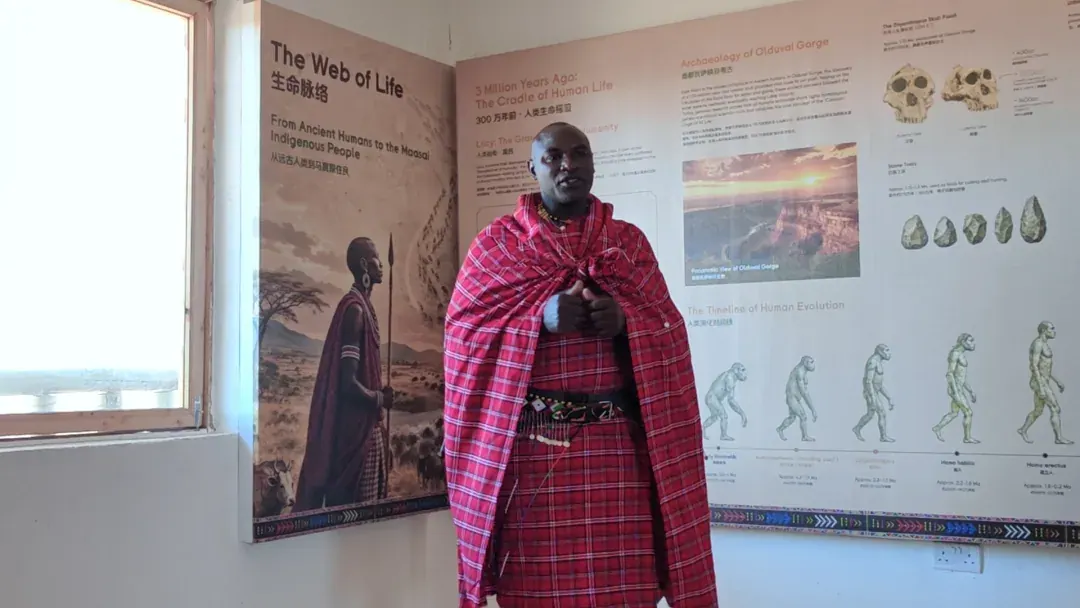
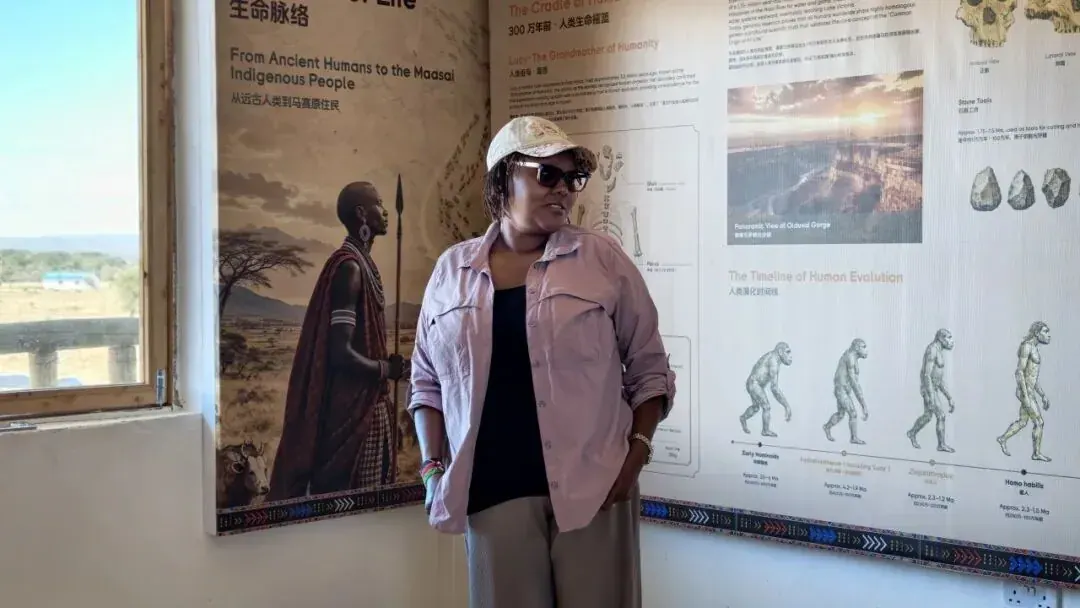
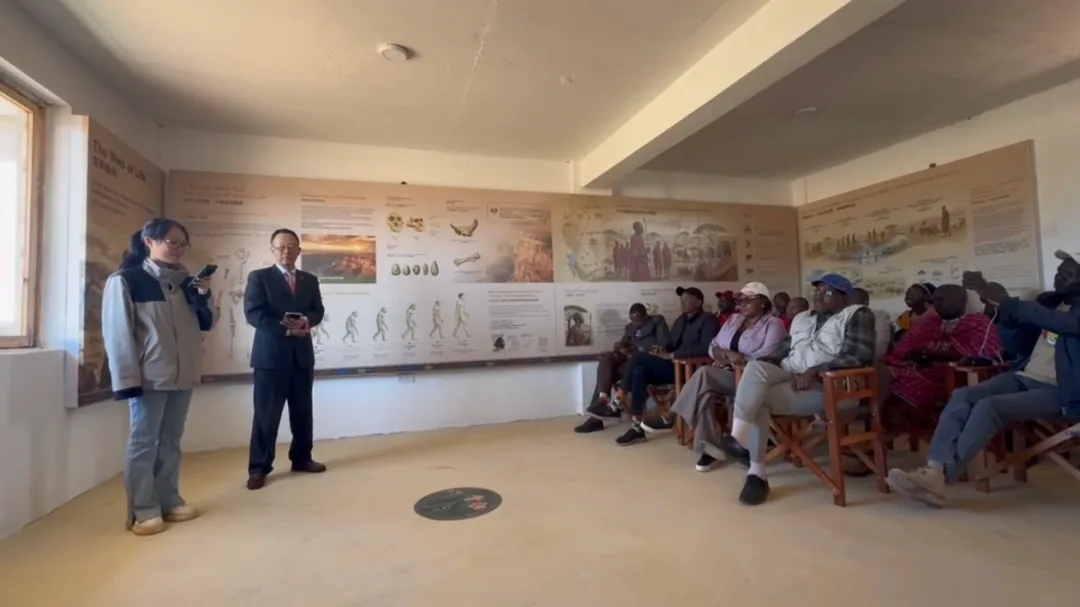
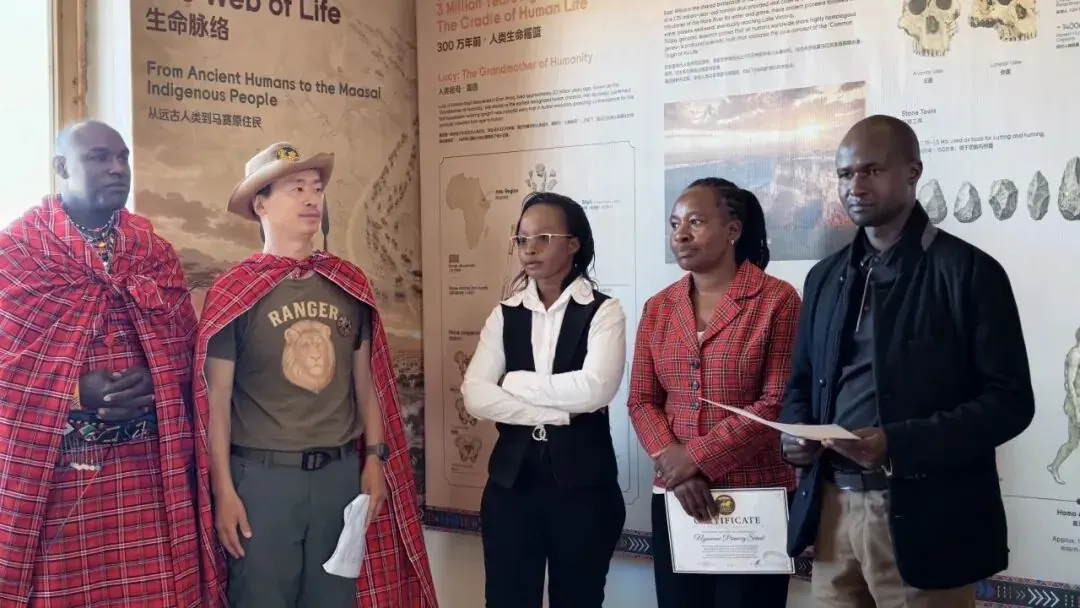
Representatives of the Narok County Government, the Maasai community, conservancies, schools, international organisations, overseas-Chinese community leaders and Chinese enterprises spoke in turn, sharing their hopes for conservation, community development and nature education.
3 · Passing the future: the handing-on of responsibility
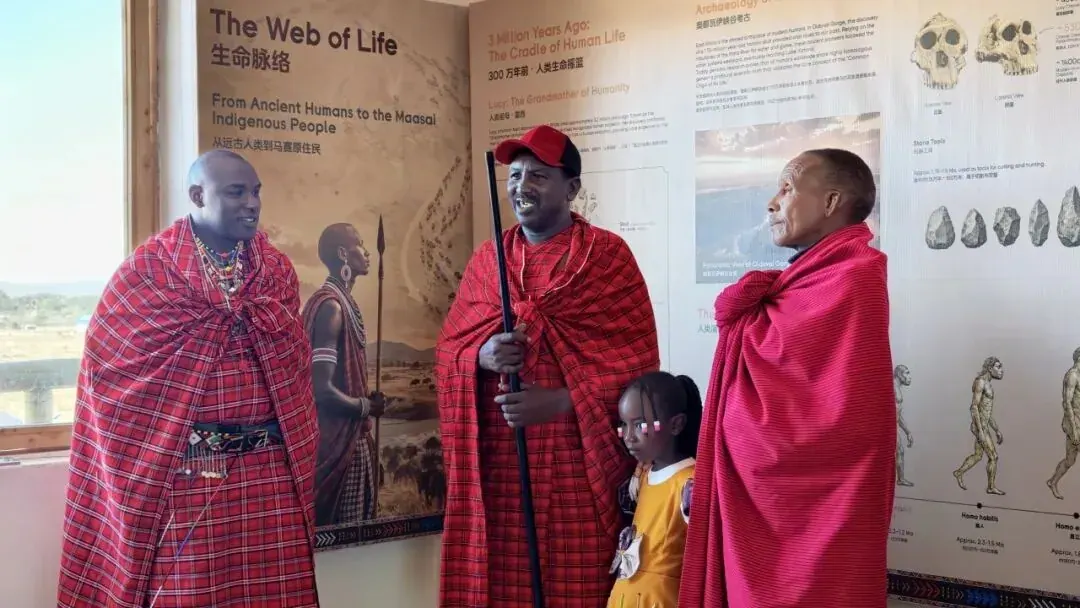
"Passing the Future" was the most moving moment of the day. A Maasai elder, holding a traditional Eng'udi staff, solemnly placed it in the hands of local children, who in turn passed it to Simon Masago, head of the Natural History Center. The passing of the staff stands for knowledge, culture and responsibility handed from one generation to the next. The ritual binds Maasai tradition to the mission of conservation, and speaks a plain truth: protecting nature is work that must be carried on across generations.
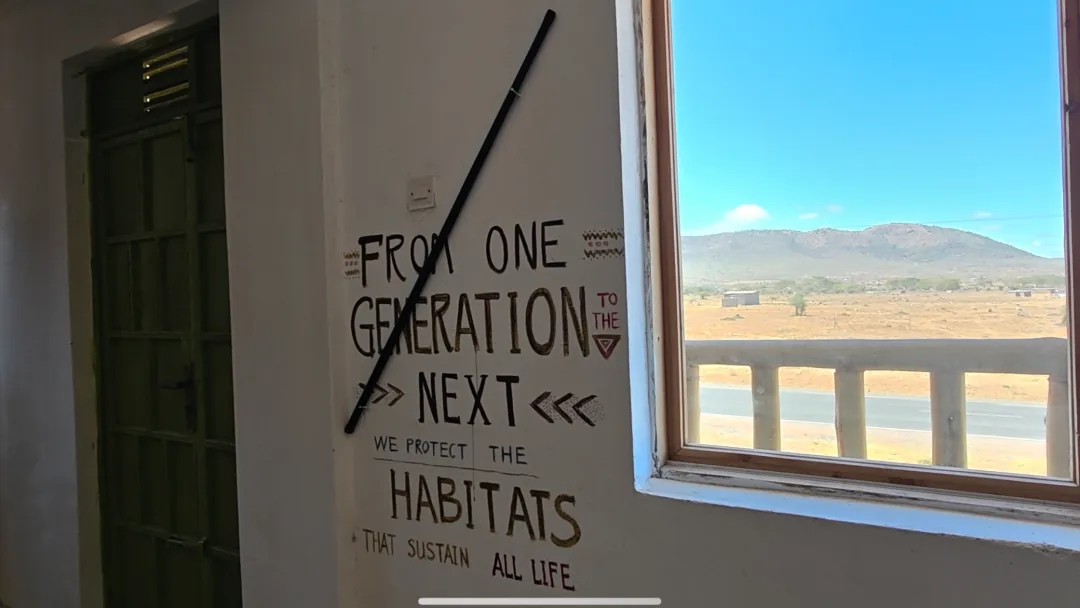
The Eng'udi staff used in the ceremony will remain on permanent display at the center, with the inscription:
"From one generation to the next, we protect the habitats that sustain all life."
4 · Facing the future: a wide space for nature education
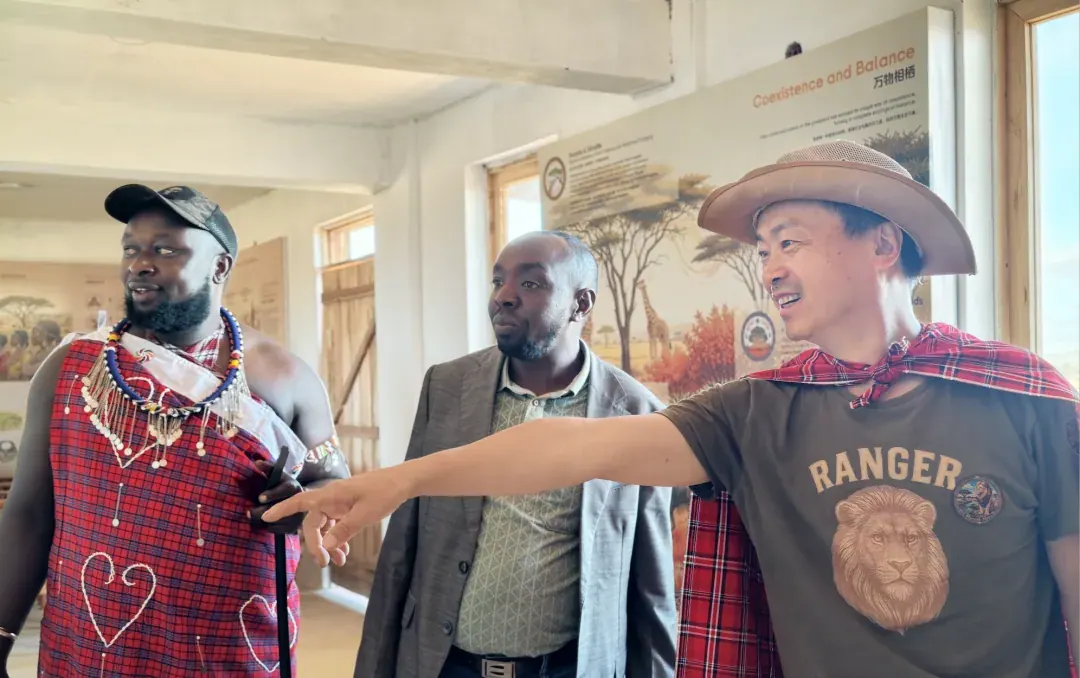
As a nature-education space open to communities and schools, the Mara Natural History Center will offer the region's young people a window onto nature through exhibits and hands-on experiences. We hope to help children come to know the land beneath their feet, the plants and animals that live here and the environments they depend on, and to understand that people and nature share one fate.
As the center has always held:
Every species has a story.
Every habitat deserves protection.
Every child deserves to understand nature.
5 · Life forever: guarding the home we all share
The Maasai Mara is known the world over for its wildlife and its singular ecosystem. But the future of conservation rests not on the animals alone; it rests on the integrity of their habitats and on the communities that live and thrive alongside this land. The Mara Natural History Center hopes to be such a meeting point — connecting nature and people, tradition and the future, community and the world. Today's opening is not an end but a new beginning. The center will keep working with partners so that nature education and habitat protection become the shared practice of many more people.
From one generation to the next.
Habitat First, Life Forever.
在肯尼亚,历经三年的筹备与建设,马赛马拉自然历史中心(Mara Natural History Center)于 2026 年 9 月 1 日正式启幕。当地社区代表、政府官员、自然保护人士及社会各界嘉宾齐聚这片广袤的土地,共同见证这一连接自然、社区与教育的平台向公众敞开怀抱。
本次开幕式以「保护栖息地,生生不息:Habitat First, Life Forever」为主题,摒弃了繁复的仪式,坚持简单、自然与可持续。这不仅是一场落成典礼,更是一次以实际行动致敬自然的宣言,让保护理念深深扎根于项目建设和公众教育的每一个环节。
01 · 历时三年,从愿景走向现实
马赛马拉自然历史中心由星巴与栖息地守望者基金会倡议发起,西蒙·马萨哥酋长主导建设,并在众多朋友与合作伙伴的鼎力支持下,历经三年终于落成。这不仅仅是一座建筑的拔地而起,更是一个愿景的落地。从最初的构想到今日的启幕,中心致力于打造一个融合自然、保护、教育与社区的空间。人们将在这里通过自然历史读懂马赛马拉,进而深刻认识到栖息地保护的紧迫与重要。
02 · 社区共筑,让保护成为共同责任
开幕式的现场,洋溢着浓郁的马赛文化气息。当地儿童身着传统服饰,用欢快的歌舞迎接远道而来的宾客。
在「栖息地承诺墙」(Habitat Commitment Wall)前,嘉宾们纷纷在木板墙上签下名字,用这种充满仪式感的方式,许下对野生动物栖息地的守护诺言。这一设计生动诠释了中心的核心理念:自然保护从来不是少数人的孤军奋战,而是社区、公众与下一代共同肩负的责任。
纳罗克州政府、马赛社区、自然保护区、学校以及国际组织、中方侨领与中资企业代表相继致辞,分享了他们对自然保护、社区发展与自然教育的深切期待。
03 · 责任延续,守护接力棒的传递
「Passing the Future」(未来传承)是开幕式上最动人的环节。一位马赛长者手持传统的 Eng'udi 木杖,郑重地将其交到当地儿童手中,再由孩子们传递给自然历史中心负责人西蒙·马萨哥。木杖的传递,象征着知识、文化与责任的代代相传。这一仪式将马赛传统文化与自然保护使命紧密相连,诉说着一个朴素的真理:保护自然是一项需要世代延续的事业。
仪式中的 Eng'udi 木杖将作为具有象征意义的物件永久陈列于自然历史中心,并配以铭牌:
"From one generation to the next, we protect the habitats that sustain all life."
04 · 面向未来,广阔的自然教育空间
作为一座向社区和学校开放的自然教育空间,马赛马拉自然历史中心将通过丰富的展示与互动体验,为当地年轻一代提供认识自然的窗口。我们希望帮助孩子们了解脚下这片土地,认识这里的动植物及其生存环境,理解人与自然休戚与共的关系。
正如中心始终倡导的那样:
每一个物种都有自己的故事。Every species has a story.
每一个栖息地都值得去保护。Every habitat deserves protection.
每一个孩子都值得去理解自然。Every child deserves to understand nature.
05 · 生生不息,守护生命共同的家园
马赛马拉以其丰富的野生动物和独特的生态系统闻名于世,但保护的未来,不仅在于动物本身,更在于栖息地的完整以及与这片土地共生共荣的社区。马赛马拉自然历史中心愿成为这样一个连接点:连接自然与人,连接传统与未来,连接社区与世界。今日的启幕不是终点,而是全新的起点。未来,中心将继续携手各方力量,让自然教育与栖息地保护成为更多人的共同实践。
从这一代,到下一代
保护栖息地,生生不息
Habitat First, Life Forever
On-site report: Mara Natural History Center · HWF Habitat Watcher Foundation
Written by Cao Xiaoling · Layout and images by Xu Yu · Reviewed by Simba Qiang Zhuo
Originally published on the HWF WeChat account on 1 September 2026: mp.weixin.qq.com现场报道:马赛马拉自然历史中心 · HWF 栖息地守望者基金会
撰稿:曹筱玲 · 图文排版:徐钰 · 审核:星巴
首发于 HWF 微信公众号,2026 年 9 月 1 日:mp.weixin.qq.com